Stakeholders in Ghana’s sanitation sector have called for a major shift away from landfill-dependent waste management systems, arguing that sustainable solutions such as recycling, composting and modern waste treatment facilities are essential to addressing the growing waste disposal crisis in Greater Accra.
The call was made during a high-level dialogue on the theme, “Alleviating Waste Disposal Crisis in Greater Accra,” which brought together government officials, Metropolitan, Municipal and District Chief Executives (MMDCEs), sanitation experts and private waste management operators.
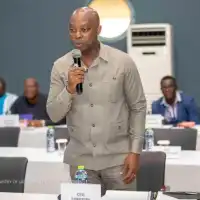
Delivering the keynote address, the Minister for Local Government, Chieftaincy and Religious Affairs, Ahmed Ibrahim, warned that rapid urbanisation and population growth are placing increasing pressure on Ghana’s waste management infrastructure.
According to the minister, Ghana currently generates about 4,400 tonnes of solid waste daily, equivalent to approximately 1.6 million tonnes annually, with around 80 per cent of waste collected nationwide. He noted that the volume of waste continues to rise, making investment in modern waste treatment facilities an urgent national priority.
Ahmed Ibrahim identified sustainable financing as one of the biggest challenges confronting the sector, stressing that effective waste management cannot rely solely on market forces.
He revealed that discussions are ongoing with the Ministry of Finance to secure dedicated funding for waste management operations and address outstanding debts owed to private waste management companies.
The minister also urged local authorities to prioritise timely payments to sanitation service providers, warning that delays in payments could undermine waste collection services and create serious environmental and public health risks.
President of the Environmental Service Providers Association (ESPA) and Executive Chairman of the Jospong Group, Dr. Joseph Siaw Agyepong, described landfills as an outdated solution that can no longer meet the demands of modern waste management.
He noted that Ghana has developed 17 engineered landfill sites with international support over the years, but most reached full capacity within a decade.
Dr. Agyepong advocated increased investment in waste collection systems, transfer stations, recycling facilities and composting plants, arguing that landfills should only be used as a last resort.
He also highlighted the financial challenges facing private waste operators, explaining that international benchmarks suggest households in countries with similar economic conditions should contribute between $15 and $20 monthly for waste collection services.
However, current revenue recovery levels remain significantly below that threshold, affecting the sustainability of waste management operations.
Despite the challenges, stakeholders pointed to notable progress within the sector. Ghana now operates more than 50 waste treatment and composting facilities and has emerged as a source of expertise for other African countries, including Kenya and Ethiopia.
Dr. Agyepong attributed this success to investments in local capacity building and the training of hundreds of sanitation professionals.
Vice Dean of the MMDCEs, Dr. Michael Mensah, assured participants that local assemblies remain committed to improving sanitation standards and strengthening waste management systems across their jurisdictions.
He stressed that the economic consequences of poor waste management are substantial, with Ghana estimated to lose more than GH¢6.2 billion annually through flooding, healthcare costs and environmental degradation linked to inadequate waste disposal practices.
Participants concluded the dialogue with a renewed commitment to transforming policy discussions into concrete action, particularly through sustainable financing mechanisms and long-term investments in waste infrastructure.
Stakeholders agreed that building resilient waste management systems and reducing dependence on landfills will be critical to improving sanitation outcomes in Accra and the wider Greater Accra Metropolitan Area (GAMA).
_thumbnail.jpg)
_thumbnail.jpg)



_thumbnail.jpg)