Ghana is set to host a Hyundai automotive manufacturing plant as South Korea strengthens its economic engagement with Africa, a move expected to boost industrialisation, create jobs, and reinforce Ghana’s position as a regional manufacturing hub.
Ghana is set to host a Hyundai automotive manufacturing plant as South Korea strengthens its economic engagement with Africa, a move expected to boost industrialisation, create jobs, and reinforce Ghana’s position as a regional manufacturing hub.
President John Dramani Mahama on Wednesday paid a visit to the London Stock Exchange (LSE) as part of efforts to strengthen Ghana’s engagement with global investors and position the country as a leading destination for international capital.
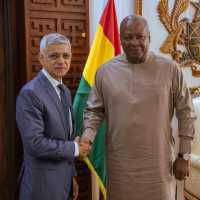
Ivory Coast has slowed forward sales of cocoa for the 2026/27 season amid growing concerns that a potential El Niño weather pattern could negatively impact production across West Africa, according to sources familiar with the matter.
The world's largest cocoa producer has already sold approximately one million metric tonnes of cocoa through export contracts for the upcoming main crop season. However, authorities are now taking a more cautious approach as weather risks threaten future output.
Sources told Reuters that the Abidjan-based Coffee and Cocoa Council (CCC) has reduced the pace of sales while also increasing its export premium from zero to at least £100 per tonne above futures market prices.
The move reflects growing confidence in demand for cocoa as well as concerns that global supplies could tighten further when the new season begins on September 1.
"We have already sold between 950,000 and 1 million tonnes for next season, but we preferred to slow down and be cautious. We are selling less and less," one CCC source disclosed.
Industry insiders estimate that forward sales may already have reached between 1.1 million and 1.2 million tonnes, underscoring the strong appetite among international buyers despite elevated prices.
"The market is allowing them to be a bit more aggressive. They don't need to lower the premium to get contracts in the book," a senior industry trader said.
The CCC's cautious stance is largely driven by fears that El Niño could trigger drought conditions across major cocoa-producing countries, including Ivory Coast, Ghana, Cameroon and Nigeria.
Weather experts have warned that the climate phenomenon could disrupt rainfall patterns during critical stages of cocoa development, potentially reducing yields and tightening global supplies.
According to sources within the CCC, unusually hot conditions experienced between January and May have already raised concerns about the health of cocoa farms.
"In truth, we are observing a certain fragility in the development of the mid-crop and therefore in the next main crop. It was very hot between January and May, and the rains of the past few weeks cannot make up for everything," a CCC source explained.
The source added that if El Niño develops as forecast during June and July, cocoa production could face additional pressure.
Not all market participants agree with the CCC's cautious outlook.
Several exporters interviewed by Reuters argued that El Niño is unlikely to significantly affect cocoa output next season and believe the industry should take advantage of strong market demand.
Others, however, support the council's conservative approach, citing uncertainty around weather conditions and the broader challenges facing cocoa production.
Many industry stakeholders believe the more pressing threat lies in the deteriorating condition of cocoa farms across the region.
Ageing plantations, widespread disease outbreaks and limited access to fertilisers continue to affect productivity in several cocoa-growing areas.
"I don't see El Niño as a threat to production. The real concern is the lack of fertilisers and treatments. It's a shame the CCC is refusing to sell when there's good demand," the head of an Abidjan-based export company said.
The cocoa sector is also grappling with rising fertiliser costs, which could further impact production in the coming season.
Industry observers say fertiliser prices have surged following disruptions linked to the conflict involving Iran, which has affected shipping through the Strait of Hormuz, a critical route for global fertiliser trade.
Higher input costs could limit farmers' ability to maintain plantations and improve yields, adding another layer of uncertainty to cocoa production forecasts across West Africa.
With global demand for cocoa remaining strong and weather risks looming, market participants will be closely monitoring developments in Ivory Coast and other major producing countries in the months ahead.
The government has approved a series of far-reaching structural reforms targeting state-owned enterprises (SOEs) as part of efforts to restore fiscal stability and address Ghana’s growing energy sector debt burden.
_thumbnail.jpg)
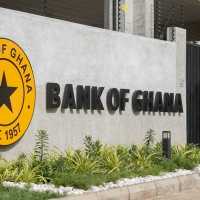
The Bank of Ghana has firmly rejected reports suggesting it is considering the sale of its newly commissioned headquarters, describing the claims as "false and misleading."
President John Dramani Mahama has detailed the expected benefits of the newly signed UK-Ghana Growth Partnership Agreement, describing it as a transformative initiative designed to boost investment, create jobs, strengthen infrastructure, and expand opportunities for young people.
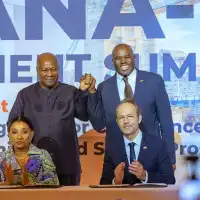
The Chief Executive Officer of the National Petroleum Authority (NPA), Godwin Kudzo Tameklo, has been honoured with the Outstanding Public Leadership Excellence Award at the 10th Ghana CEO Summit held at the Kempinski Hotel Gold Coast City in Accra.

Growing frustration is mounting among customers of a savings and loans institution as several depositors report being unable to access their funds due to the prolonged closure of some branches and a lack of communication from management.
A new report by the Ministry of Finance on the management of the Energy Sector Support Account has revealed that revenue generated from the Energy Sector Shortfall and Debt Repayment Levy remained insufficient to fully finance Ghana’s energy sector obligations in 2025, despite the introduction of the additional GH¢1 levy.
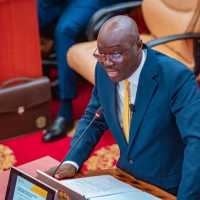
President John Dramani Mahama has assured international investors that Ghana is accelerating major infrastructure investments to drive economic transformation and reinforce its position as a leading trade and investment hub in Africa.

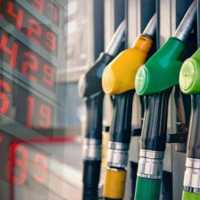
Some Oil Marketing Companies (OMCs) have begun increasing fuel prices at the pumps from June 1, 2026, in line with the latest petroleum pricing window under Ghana’s deregulated fuel pricing regime.
Leading the adjustments, Star Oil increased the price of petrol from GH¢14.60 per litre to GH¢15.20 per litre. However, the company maintained its diesel price at GH¢15.81 per litre.
The development follows the National Petroleum Authority's (NPA) announcement of revised price floors for the June 1–16, 2026 pricing window. Under the new guidelines, OMCs are not expected to sell petrol below GH¢15.20 per litre, representing an increase from the previous pricing period.
For diesel, the NPA set a benchmark price of GH¢15.49 per litre, lower than the previous pricing window, suggesting that consumers could see slight reductions depending on the pricing strategies adopted by individual OMCs.
Industry players and consumers are now watching closely to see how major fuel retailers such as GOIL, Shell, TotalEnergies and Zen Petroleum respond to the latest pricing adjustments.
According to projections by the Chamber of Oil Marketing Companies (COMAC), petrol prices could increase by between 4.2% and 6.2% during the current pricing window. If fully reflected at the pumps, a litre of petrol could sell for as much as GH¢15.92.
Liquefied Petroleum Gas (LPG) is also expected to record an increase of up to 2.24%, pushing prices to approximately GH¢17.30 per kilogramme.
Diesel prices, however, are projected to decline by between 1.65% and 2.0%, offering some relief to transport operators and businesses that depend heavily on the product.
COMAC attributed the mixed pricing outlook to a combination of factors, including movements in global petroleum prices, recent pressure on the Ghana cedi, and ongoing government-industry interventions aimed at cushioning consumers from sharp price increases.
The chamber noted that the Joint Government-Industry intervention mechanism, which was extended on May 16, 2026, continues to play a significant role in moderating fuel prices.
Under the revised framework, the intervention support for petrol has been completely removed, while the subsidy component for diesel has been reduced to GH¢1.07 per litre.
According to COMAC, these measures are helping to soften the impact of higher international fuel prices while allowing local fuel prices to gradually adjust to prevailing global market conditions.
The latest fuel price review is expected to have implications for transportation costs, inflation, and business operating expenses across the country in the coming weeks.
President John Dramani Mahama has announced what he described as a major milestone in Ghana’s energy and industrial transformation agenda, revealing that the country will soon begin refining its own crude oil locally as part of a broader strategy to boost industrialisation, create jobs, and increase value addition within the economy.
_thumbnail.jpg)
Businessman and President of Groupe Nduom, Papa Kwesi Nduom, has reaffirmed the group’s determination to resume operations following the Court of Appeal’s decision to restore the licence of GN Savings and Loans.