Global conflicts contributing to Cedi depreciation — Prof Asuming
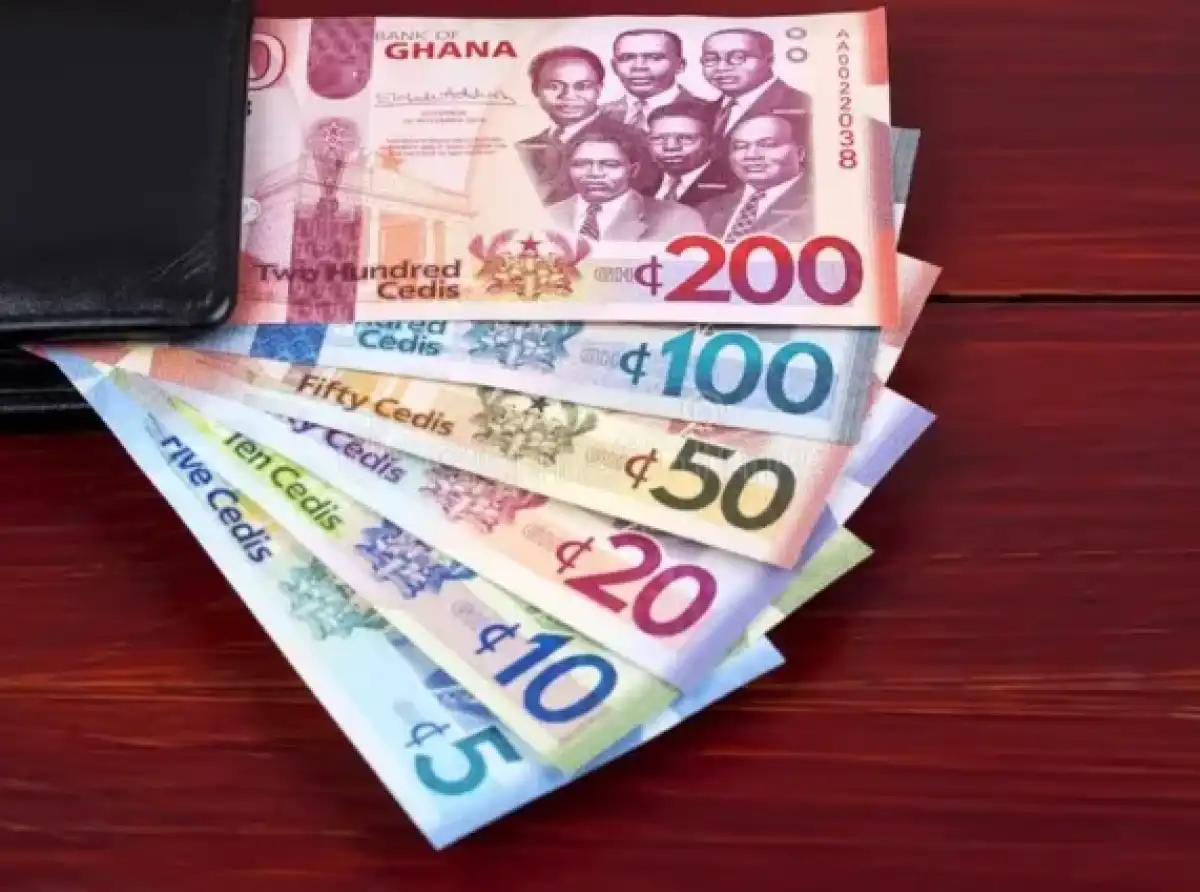
An economics lecturer at the University of Ghana, Professor Patrick Asuming, has attributed the recent depreciation of the Ghana cedi to rising geopolitical tensions and growing uncertainty in the global economy.
Speaking on Joy FM’s Super Morning Show on Monday, May 25, Prof Asuming explained that ongoing international conflicts, including the Russia-Ukraine war and escalating tensions involving the United States, Israel and Iran, are creating instability in global financial markets and affecting emerging economies such as Ghana.
According to him, investors often move their funds into safer assets such as the US dollar during periods of global uncertainty, placing additional pressure on weaker currencies, including the Ghana cedi.
“The global context is that since President Trump returned to office, we have seen different conflicts emerging in addition to the ongoing Russia-Ukraine war,” Prof Asuming stated.
He further noted that recent tensions in the Middle East have intensified concerns over global oil supply disruptions and international trade, contributing to inflationary pressures and increased foreign exchange demand in several developing economies.
“These developments bring disturbances to the global economy, and Ghana is not exempt from the effects,” he explained.
Despite the recent decline in the value of the cedi, Prof Asuming maintained that the situation remains under control and does not currently warrant panic among the public or investors.
“It is a depreciation compared to the appreciation we saw last year, but we have not witnessed extreme volatility,” he said.
He commended the Bank of Ghana for its efforts in stabilising the local currency and managing fluctuations within the foreign exchange market.
“By and large, the Bank of Ghana has been able to moderate the swings. I think the depreciation has generally been kept at a manageable level, and for that reason, I do not think we should start raising alarm,” he added.
His comments come amid growing concerns about the performance of the Ghanaian currency in 2026. Recent reports by Reuters, citing data from the London Stock Exchange Group (LSEG), indicated that the Ghana cedi has become the worst-performing currency in West Africa on a year-to-date basis.
Analysts attribute the cedi’s decline to several factors, including rising demand for US dollars by importers and players in Ghana’s energy sector, increasing oil prices on the international market, persistent foreign exchange backlogs, and broader global economic uncertainty.
Economic experts warn that if global tensions continue to escalate and crude oil prices remain elevated, countries heavily dependent on imports such as Ghana could face renewed pressure on inflation, fuel prices and exchange rate stability in the coming months.

Aikines Anyomi

News
Food
Politics
Technology
About Us
Download Our Mobile App

