IMF says BoG’s multi-billion cedi losses were part of economic recovery
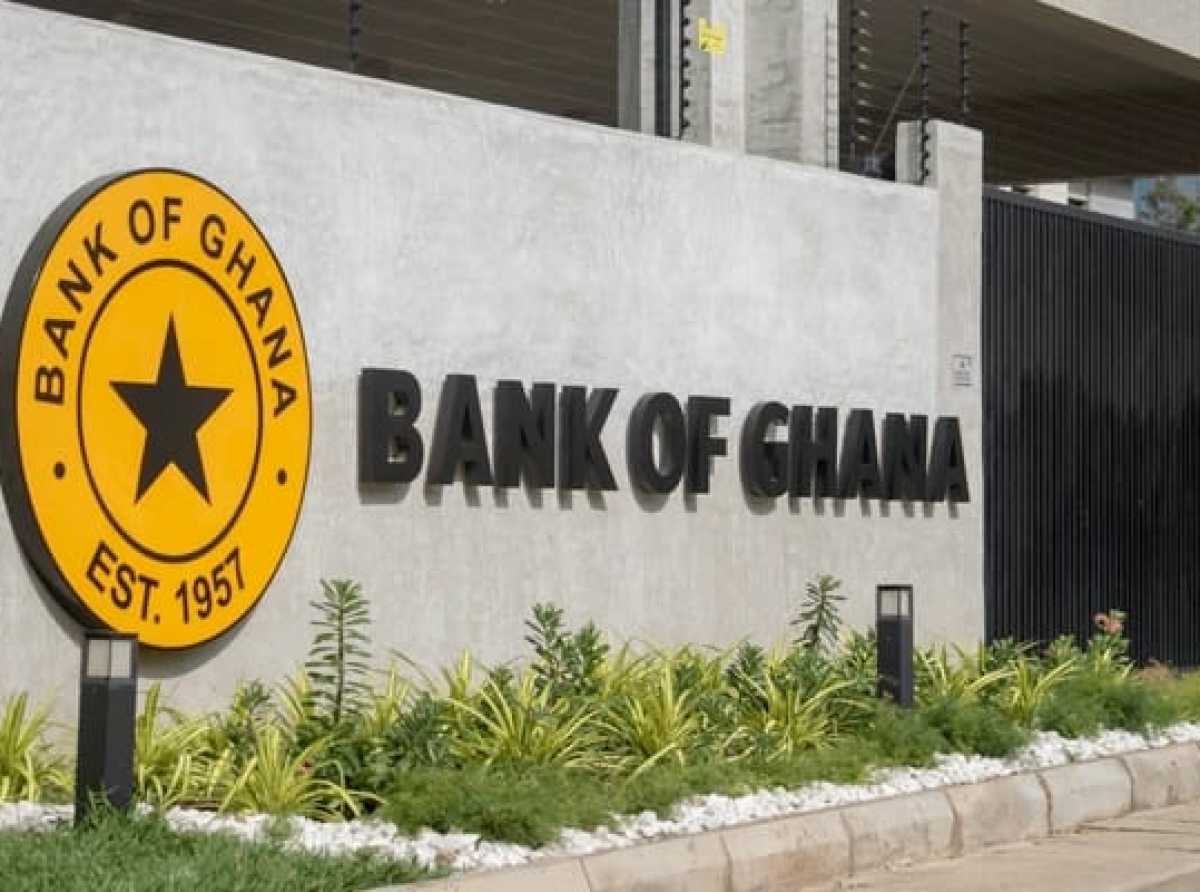
The International Monetary Fund has defended the massive financial losses recorded by the Bank of Ghana, insisting that the central bank’s aggressive policy interventions were necessary to stabilise Ghana’s economy during the recent economic crisis.
Speaking on PM Express Business Edition on Thursday, IMF Mission Chief to Ghana, Ruben Atoyan, rejected claims that the Bank of Ghana acted too aggressively in tightening monetary policy to fight inflation and stabilise the cedi.
“So, first, I would disagree with this view that the Bank of Ghana was too aggressive,” Dr Atoyan stated.
“I think it was very prudent, and the achievement is, I think, manifested in the outcomes, and I think people on the ground actually recognise that,” he added.
The IMF official’s comments come after the Bank of Ghana announced a GH¢15.6 billion loss in 2025, a sharp increase from the GH¢9.49 billion loss recorded in 2024.
According to the central bank’s audited financial statements, its negative equity position also worsened significantly, rising to GH¢93.82 billion from GH¢58.62 billion in the previous year.
The losses have largely been attributed to the high cost of liquidity sterilisation, rising interest payments, and tight monetary policy measures implemented to control inflation and support the local currency during Ghana’s economic downturn.
Dr Atoyan stressed that monetary policy interventions often come with substantial financial costs, especially during periods of high inflation and elevated interest rates.
“Second, there is the cost of doing monetary policy, and this is something that people need to understand,” he explained.
“You know that the Bank of Ghana 2025 financial statement was just published, and it transparently presents the cost of doing policy.”
According to him, the difficult macroeconomic environment made the central bank’s interventions expensive but unavoidable if Ghana was to restore economic stability.
“With high inflation and high interest rates, absorbing liquidity from the market is costly, and that’s what we see as reflected in the statement,” he stated.
Despite concerns about the scale of the losses, Dr Atoyan maintained that the Bank of Ghana’s policy decisions were essential to stabilising the economy and rebuilding confidence in the financial system.
“Yes, so it did generate some costs for the Bank of Ghana, but it was a necessary cost for the stabilisation going forward,” he stressed.
The IMF has consistently supported Ghana’s tight monetary policy stance under the ongoing IMF-supported economic recovery programme, arguing that reducing inflation, stabilising the exchange rate, and restoring macroeconomic discipline remain critical for long-term economic recovery.
Over the past two years, the Bank of Ghana has maintained an aggressive monetary tightening strategy aimed at controlling inflation, stabilising the cedi, and restoring investor confidence following Ghana’s debt crisis and macroeconomic instability.
The central bank’s interventions included high policy rates, liquidity absorption measures, and tighter financial conditions designed to reduce inflationary pressures in the economy.
Economists say while such measures can impose heavy financial costs on central banks in the short term, they are often considered necessary tools for restoring economic stability during periods of crisis.
The IMF believes Ghana’s recent improvements in inflation trends, exchange rate stability, and investor confidence indicate that the Bank of Ghana’s policy measures are beginning to yield positive results.

Aikines Anyomi
Author’s Posts
-
GES summons teacher unions for emergency talks over controversial staff data collection exercise
The Ghana Education Service (GES) has invited the leadership of three major teacher unions to an emergency mee...
Jun 13, 2026
-
Let's make voluntary blood donation a regular habit to curb blood shortage - National Blood Service urges Ghanaians
The Ministry of Health and the National Blood Service (NBS) have intensified calls on healthy Ghanaians betwee...
Jun 13, 2026
-
Thomas Partey denied entry to Canada, unable to play Ghana’s World Cup opener
Ghana will be without midfielder Thomas Partey for their opening match of the 2026 FIFA World Cup after Canadi...
Jun 12, 2026
-
GNPC and partners commit $3.5bn to boost Ghana’s gas supply
The
Jun 12, 2026
-
KLM Flight returns to Accra after reported onboard fire scare; no injuries recorded
Passengers aboard a

News
Food
Politics
Technology
About Us
Download Our Mobile App

