
Akufo-Addo gov’t invested ¢540m in flood control measures – Asenso-Boakye
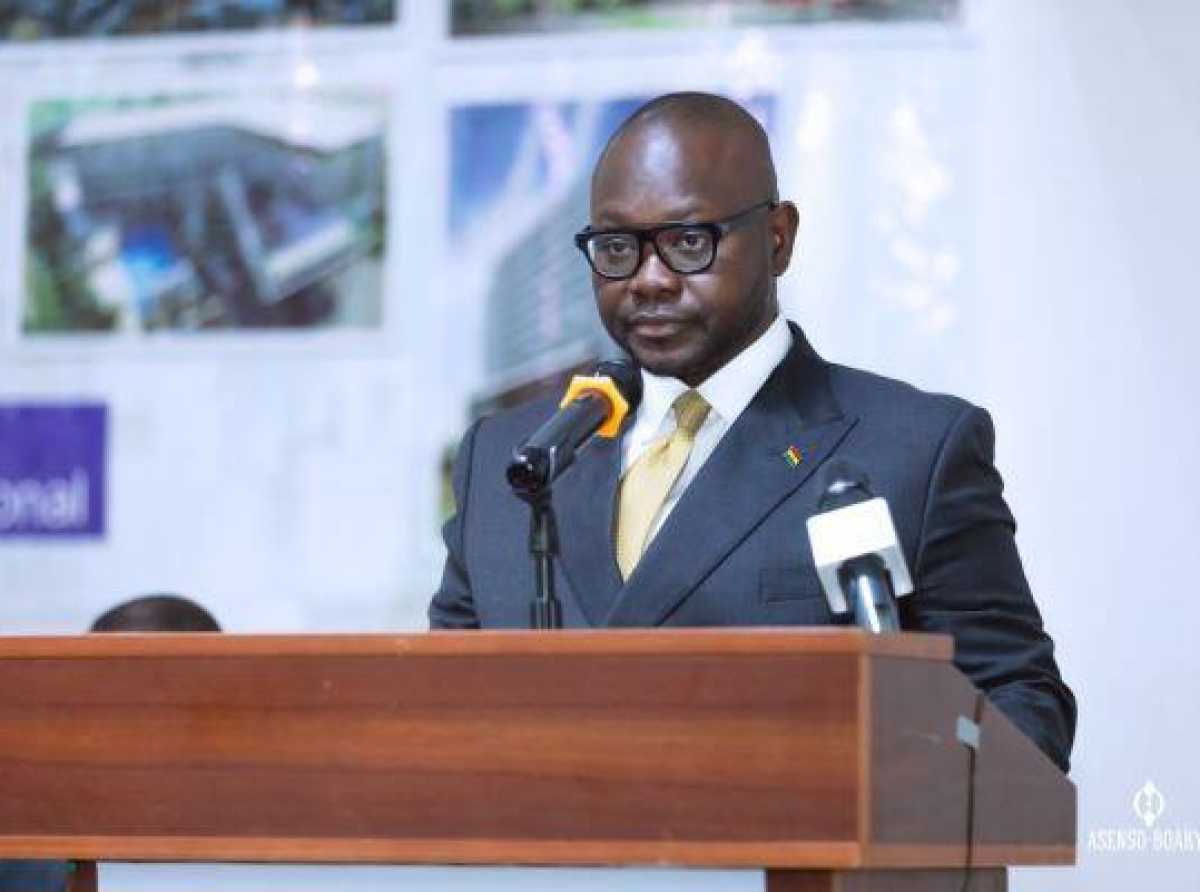
Former Minister for Works and Housing, Francis Asenso-Boakye, has revealed that the Akufo-Addo administration invested approximately GH¢540 million in flood control interventions during its eight years in office as part of efforts to reduce the devastating impact of flooding across Ghana.
According to the Bantama Member of Parliament, the funds were channelled into the construction, rehabilitation and expansion of drainage infrastructure, alongside other flood mitigation measures aimed at strengthening the country’s resilience to climate-related disasters and seasonal flooding.
Mr. Asenso-Boakye made the disclosure while addressing a Capacity Building Workshop for Metropolitan, Municipal and District Chief Executives (MMDCEs) in Accra, where discussions focused on urban development, disaster preparedness and local governance.
He noted that flooding continues to pose a significant threat to lives, property, businesses and public infrastructure, particularly in major urban centres such as Accra, where rapid urbanisation and poor drainage systems have compounded the challenge.
According to him, the previous administration recognised the urgency of the problem and therefore committed substantial resources toward flood control programmes to improve drainage networks and reduce the vulnerability of communities frequently affected by floods.
A significant portion of the investment, he explained, was directed at the construction of storm drains, desilting of waterways and the implementation of engineering projects designed to improve water flow and reduce the risk of flooding during heavy rainfall.
Mr. Asenso-Boakye urged the current administration led by President John Dramani Mahama to continue and expand investments in flood prevention infrastructure, particularly in high-risk areas within the Greater Accra Region and other flood-prone parts of the country.
“In the eight years of the Akufo-Addo Administration, the government committed GH¢540 million towards flood control programmes. I am urging this government to continue on that path because it is necessary,” he stated.
The former minister stressed that infrastructure investments alone would not completely solve Ghana’s flooding problems unless they are complemented by strict enforcement of planning regulations and land-use policies.
According to him, unauthorised developments on waterways, wetlands and drainage reservations continue to undermine efforts to effectively manage flood risks.
“But a critical part has to do with regulatory measures and strictly adhering to settlement planning schemes,” he added.
Mr. Asenso-Boakye emphasized the need for local authorities and planning institutions to ensure compliance with approved development plans and building regulations to prevent encroachment on flood-prone zones.
He argued that sustainable flood management requires a coordinated approach involving infrastructure development, environmental protection, urban planning and public education.
Meanwhile, Chairperson of Parliament’s Local Government and Rural Development Committee, Queenstar Pokuah Sawyerr, reaffirmed Parliament’s commitment to supporting initiatives aimed at addressing recurring flooding, particularly within the Greater Accra Region.
She indicated that the Committee is closely monitoring how Metropolitan, Municipal and District Assemblies (MMDAs) are responding to the persistent challenge and exploring ways to strengthen policy frameworks and institutional responses.
According to her, Parliament remains interested in identifying practical solutions that will enhance disaster preparedness, improve drainage management and protect communities vulnerable to flooding.
The issue of flooding has become a recurring concern in Ghana, especially during the rainy season, with several communities experiencing damage to homes, businesses and public infrastructure following heavy downpours.
Experts have frequently cited inadequate drainage systems, poor waste management practices, rapid urban expansion and weak enforcement of planning regulations as some of the major factors contributing to the problem.
Stakeholders at the workshop stressed the need for stronger collaboration between central government, local authorities and communities to implement long-term solutions that will reduce the economic and human costs associated with flooding.
The call by Mr. Asenso-Boakye comes amid growing concerns about climate change and increasing rainfall intensity, which continue to place additional pressure on Ghana’s urban infrastructure and disaster management systems.

Aikines Anyomi

News
Food
Politics
Technology
About Us
Download Our Mobile App

