Hopeson Adorye commends Value for Money Office as strengthening accountability in public spending
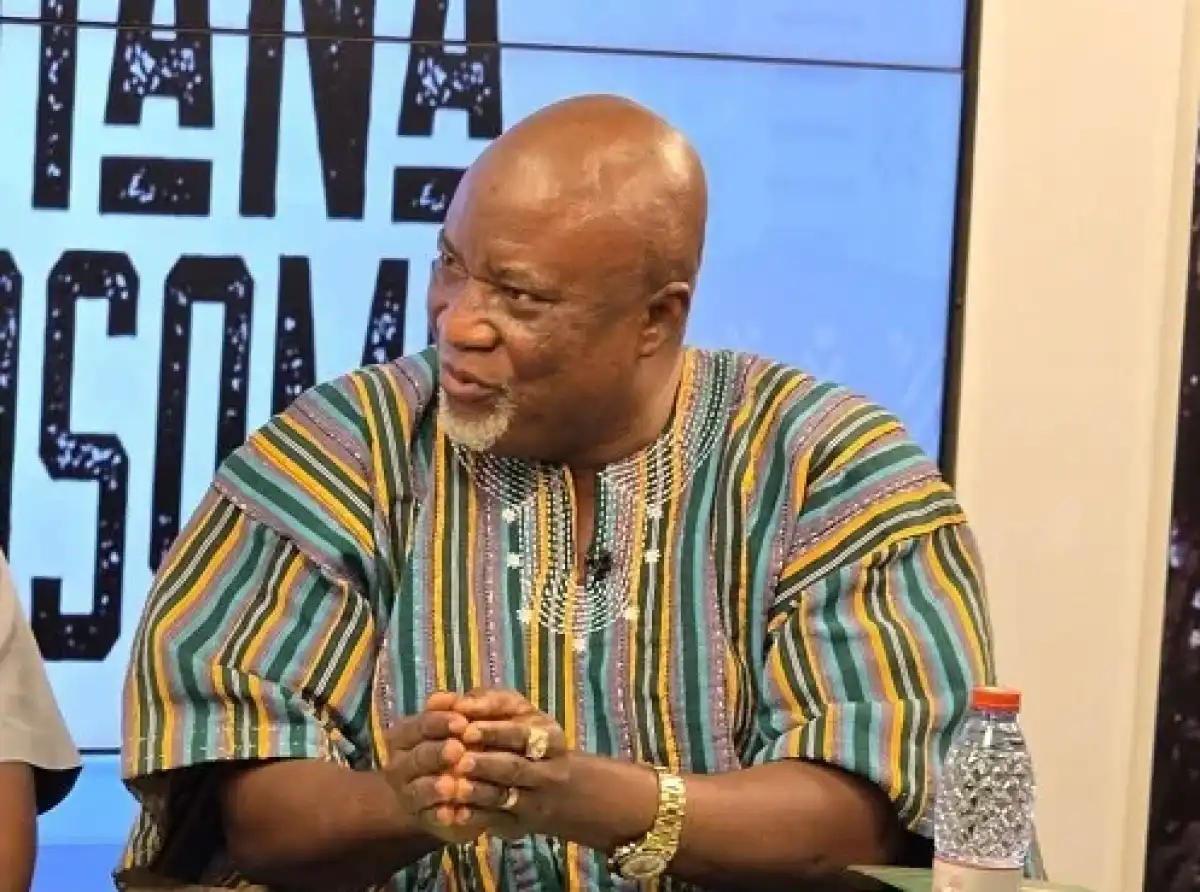
The Director of Field Operations for the United Party, Hopeson Adorye, has expressed support for the government’s newly established Value for Money Office, describing it as an important reform that could strengthen accountability and reduce financial irregularities in Ghana’s public sector.
His remarks come in the wake of President John Dramani Mahama’s assent to the Value for Money Office Act on Monday, May 11, as part of broader governance and public financial management reforms.
Speaking on the JoyNews AM Show on Tuesday, May 11, Mr Adorye acknowledged that while some government appointees may feel uneasy about the introduction of the new oversight body, he believes the initiative is both necessary and beneficial for national development.
He commended the government for taking steps to strengthen oversight of public expenditure, noting that improved scrutiny of state contracts and procurement processes could significantly enhance transparency and accountability.
According to him, Ghana already has procurement laws and established institutions mandated to regulate public financial management and prevent inflated contracts. However, he questioned the continued recurrence of financial irregularities reported by the Auditor-General, suggesting possible gaps in enforcement or systemic weaknesses.
His comments reference ongoing concerns highlighted in annual audit reports issued by the Ghana Audit Service, which frequently point to issues such as irregular payments, contract inflation, and breaches of procurement procedures within public institutions.
Mr Adorye argued that the introduction of the Value for Money Office could provide an additional layer of oversight to complement existing institutions and help close accountability gaps in the system.
He expressed optimism that the new office would play a critical role in reducing wasteful expenditure and improving discipline in the use of public funds across government agencies.
“I am hopeful this initiative will effectively address recurring financial infractions and strengthen governance and accountability in public spending,” he indicated.
The Value for Money Office is expected to review major public contracts, scrutinise procurement processes, and assess whether government projects deliver value for money to taxpayers. It forms part of a wider effort by the government to improve efficiency and transparency in public financial management.
Policy analysts say the success of the initiative will depend largely on its independence, enforcement powers, and ability to work effectively alongside existing accountability institutions such as the Auditor-General’s Department, the Public Procurement Authority, and other oversight bodies.
While supporters see the reform as a step toward stronger fiscal discipline, others argue that its effectiveness will ultimately be tested by how well it is implemented and whether it leads to measurable reductions in financial mismanagement.
For now, the establishment of the Value for Money Office continues to generate debate across political and governance circles, with growing expectations that it could reshape how public funds are managed in Ghana.

Aikines Anyomi
Author’s Posts
-
East Legon businessman arrested over alleged drug-facilitated sexual abuse and non-consensual video sharing
The Cyber Crime Unit of the
Level 100 students raise concerns over delayed ‘No-Fees-Stress’ refunds
Some Level 100 students under the 2026 beneficiary batch of the government’s no-fees-stress policy ...
May 12, 2026
-
WAEC confirms arrest of 43 teachers over BECE exam malpractice
The
May 12, 2026
-
Afenyo-Markin: NDC promised energy sector reforms but increased tariffs instead
Minority Leader
Black Stars can exceed expectations at the 2026 World Cup – Afenyo-Markin
Minority Leader

News
Food
Politics
Technology
About Us
Download Our Mobile App

