Mahama: The Governance Advisory Council Act fulfils a key promise to promote good governance and public trust
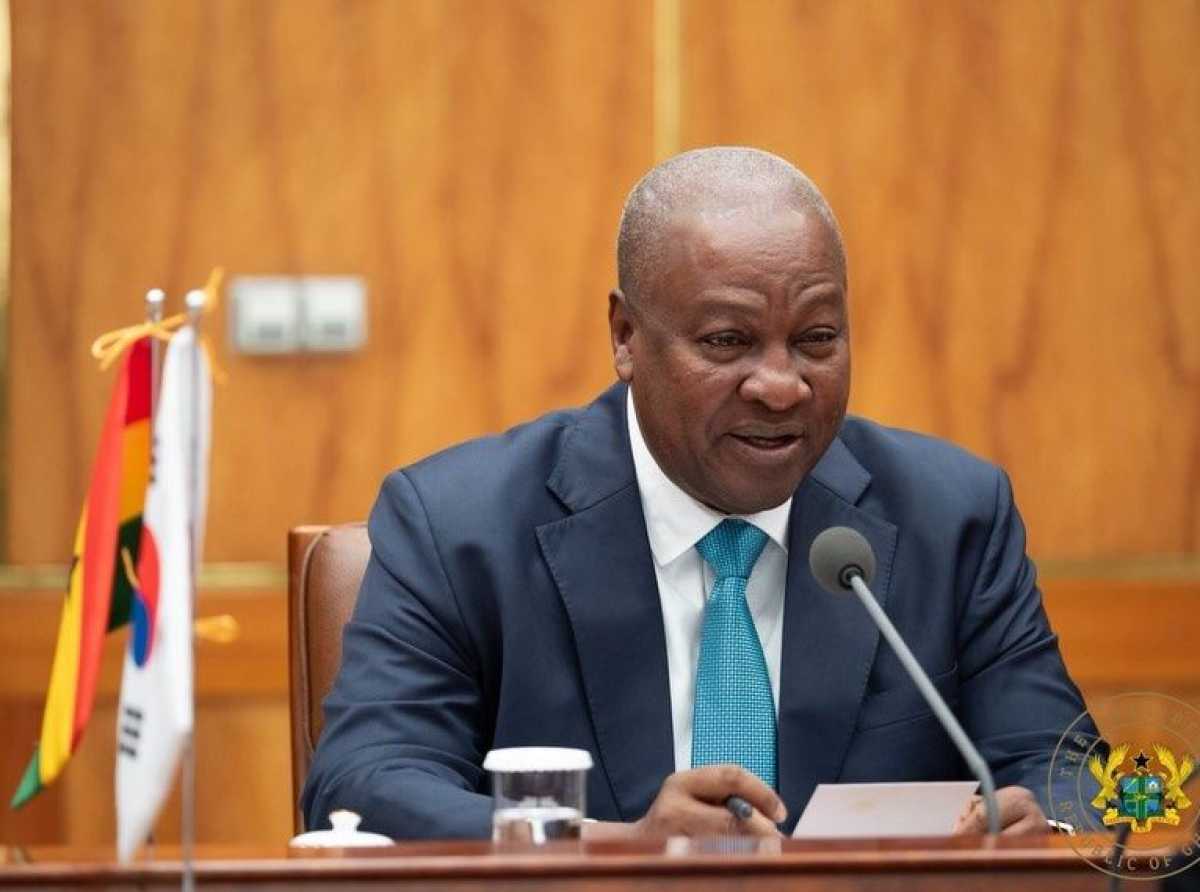
President John Dramani Mahama has signed three major reform bills into law, describing them as transformative pieces of legislation aimed at strengthening governance, improving accountability, and protecting the interests of Ghanaians.
The bills signed into law on Monday, May 11, are the Governance Advisory Council Act, the Legal Education Act, and the Value for Money Office Act.
Announcing the development on his X page, President Mahama stated that the new laws form part of his administration’s broader agenda to deepen institutional reforms, promote transparency, and improve public confidence in governance.
One of the key legislations signed was the Governance Advisory Council Act, which establishes an independent advisory body tasked with supporting efforts to promote accountability, transparency, and anti-corruption measures within public institutions.
“This independent body will help our efforts to combat corruption. It also ensures that leadership remains accountable to the people,” President Mahama wrote.
The President indicated that the establishment of the Governance Advisory Council fulfills one of his major governance promises aimed at restoring public trust and strengthening democratic accountability in the country.
“I am also proud to have signed the Governance Advisory Council Act. This fulfils a key promise I made to promote good governance and public trust,” he added.
The signing of the Governance Advisory Council Act is expected to enhance oversight and reinforce efforts to ensure ethical leadership and responsible governance across state institutions.
President Mahama also described the newly signed Legal Education Act as a significant milestone for Ghana’s justice system and legal education sector.
According to him, the law introduces a more open and competitive framework for professional legal education by ending the long-standing exclusive authority of the Ghana School of Law over professional legal training in the country.
“By ending the exclusive authority of the Ghana School of Law over professional legal education, we are introducing healthy competition and opening doors for more institutions to provide high-quality training,” he stated.
The President noted that the reform would expand opportunities for aspiring lawyers while maintaining high standards in legal education and professional training.
“This ensures that we maintain the highest standards while creating the space many aspiring lawyers have long waited for,” he added.
The Legal Education Act is expected to allow accredited universities and institutions to offer professional law programmes, a move many legal experts and students have long advocated to address admission challenges and limited access to legal training.
Another major legislation assented to by the President is the Value for Money Office Act, which seeks to strengthen transparency and efficiency in government spending.
President Mahama explained that the Act institutionalises the review and monitoring of major government contracts and public expenditures to ensure that taxpayers receive real value for public spending.
“With the Value for Money Office Act, we are institutionalising the review of major government contracts and expenditures,” he said.
He further stressed that the new office would serve as a key mechanism in preventing inflated contracts, excessive spending, and misuse of public funds.
“This office will be our frontline defence against inflated contracts, cost overruns, and wasteful spending. Every cedi spent must provide real value to the people of Ghana,” the President stated.
Political analysts say the passage of the three laws reflects the government’s renewed focus on institutional reforms, fiscal discipline, anti-corruption efforts, and expanding opportunities within critical sectors such as education and governance.
The new laws are expected to play a major role in shaping Ghana’s governance framework, improving transparency in public administration, and enhancing public confidence in state institutions.

Aikines Anyomi
Author’s Posts
-
East Legon businessman arrested over alleged drug-facilitated sexual abuse and non-consensual video sharing
The Cyber Crime Unit of the
Level 100 students raise concerns over delayed ‘No-Fees-Stress’ refunds
Some Level 100 students under the 2026 beneficiary batch of the government’s no-fees-stress policy ...
May 12, 2026
-
WAEC confirms arrest of 43 teachers over BECE exam malpractice
The
May 12, 2026
-
Afenyo-Markin: NDC promised energy sector reforms but increased tariffs instead
Minority Leader
Black Stars can exceed expectations at the 2026 World Cup – Afenyo-Markin
Minority Leader

News
Food
Politics
Technology
About Us
Download Our Mobile App

