NPA, COMAC Champion Safety Excellence in Downstream Petroleum Sector with Launch of Safety Week 2026
_large.jpeg)
The National Petroleum Authority (NPA), in collaboration with the Chamber of Oil Marketing Companies (COMAC), has officially launched Safety Week 2026, a four-day initiative designed to deepen collaboration and strengthen health, safety, security, and environmental (HSSE) standards within Ghana’s downstream petroleum sector.
The event, which commenced on 7th April 2026 at the GIMPA Executive Conference Centre, convened regulators, industry leaders, policymakers, and key stakeholders. It is being held under the theme, “Manage the Risk Before It Becomes an Incident,” highlighting the importance of proactive risk management and preventive safety practices across the industry.
In his opening remarks, COMAC Board Chairman, Mr. Gabriel Kumi, emphasized the need for a unified vision and shared responsibility in promoting safety excellence. He noted that achieving sustainable safety outcomes requires collective accountability from all industry players, while also commending the NPA for its strong leadership and coordination in driving sector-wide safety initiatives.
Dr. Riverson Oppong, Chief Executive Officer of COMAC, praised the NPA for its ongoing efforts to enhance regulatory compliance, strengthen petroleum supply resilience, and improve operational efficiency within the sector. He encouraged stakeholders to work closely with the Authority to further elevate industry standards, particularly in safety performance and compliance adherence.
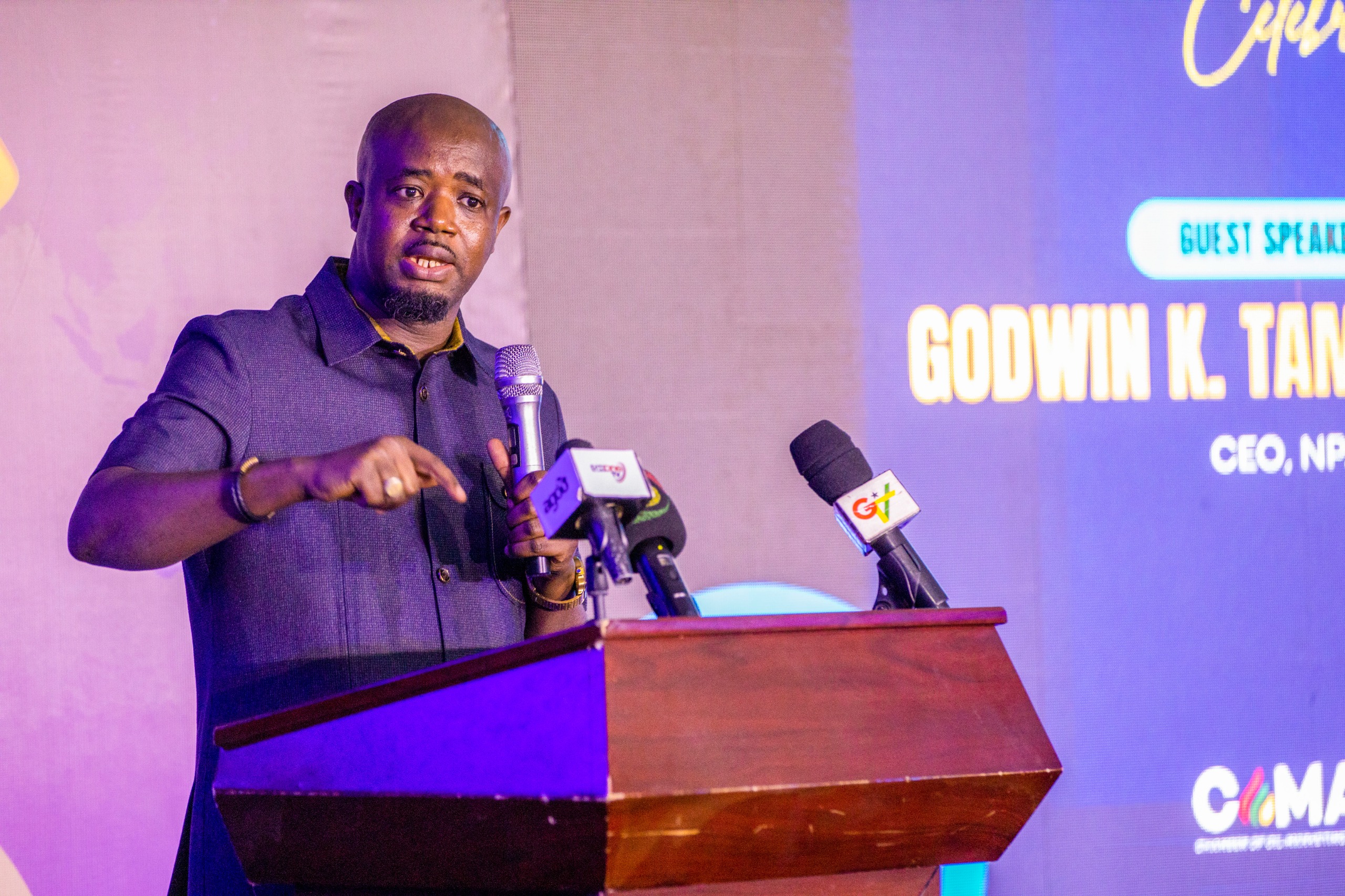
Addressing participants, the Chief Executive of the NPA, Mr. Godwin Kudzo Tameklo Esq., drew attention to pressing safety concerns affecting the sector. He highlighted the rising number of fuel tanker accidents across the country, as well as the hazardous practice of fuel siphoning at accident scenes, which poses significant risks to both lives and property.
He explained that the NPA has intensified nationwide public safety campaigns and is collaborating with the Driver and Vehicle Licensing Authority (DVLA) and other key stakeholders, including tanker driver unions, tanker owners, and the Ghana National Fire Service. These efforts are aimed at tackling the issue of inexperienced tanker drivers, improving driver training, and enhancing overall road safety within the petroleum distribution chain.
Mr. Tameklo further reaffirmed the Authority’s commitment to implementing proactive safety interventions to protect lives, safeguard critical infrastructure, and ensure operational continuity. He noted that these measures are particularly important in the face of global petroleum supply uncertainties, which demand a resilient and well-regulated downstream sector.
In a keynote address, the Minister of Energy commended the NPA for its proactive leadership and dedication to maintaining high safety standards. The Minister called for the integration of robust safety practices into everyday operations across the sector and emphasized the importance of raising public awareness to foster a culture of safety, responsibility, and accountability.
The event also featured technical presentations from key institutions, including the Ghana Standards Authority (GSA), Environmental Protection Agency (EPA), Ghana National Fire Service (GNFS), Chamber of Bulk Oil Distributors (CBOD), and the Department of Factory Inspectorate (DFI). These presentations focused on regulatory compliance, the implementation of preventive systems, and the need for sustained collaboration among stakeholders.
As part of the opening day activities, participants witnessed a practical fire safety demonstration, providing hands-on insights into emergency response techniques. A panel discussion was also held, focusing on strategies for building and sustaining a proactive safety culture within the petroleum industry.
Contributing to the discussions, the NPA’s Director of Risk, Mr. Joseph Awen Awan, underscored the importance of addressing technical capacity gaps in the sector. He stressed that effective safety management depends on equipping personnel with the necessary skills and expertise to identify potential hazards and mitigate risks before they escalate into incidents.
Safety Week 2026 will continue with a series of engagements, workshops, and stakeholder interactions aimed at reinforcing a shared commitment to safety excellence and continuous improvement across Ghana’s downstream petroleum sector.

Aikines Anyomi
News
Food
Politics
Technology
About Us
Download Our Mobile App

