Kasoa to Host Inaugural Traditional Leaders and Stakeholders Forum
Kasoa is set to host the maiden edition of the Traditional Leaders and Stakeholders Forum on April 11, 2026, a landmark initiative aimed at strengthening collaboration between Parliament, traditional authorities, and local development actors. The forum represents a strategic effort to bridge the gap between national policymaking and community-driven development.
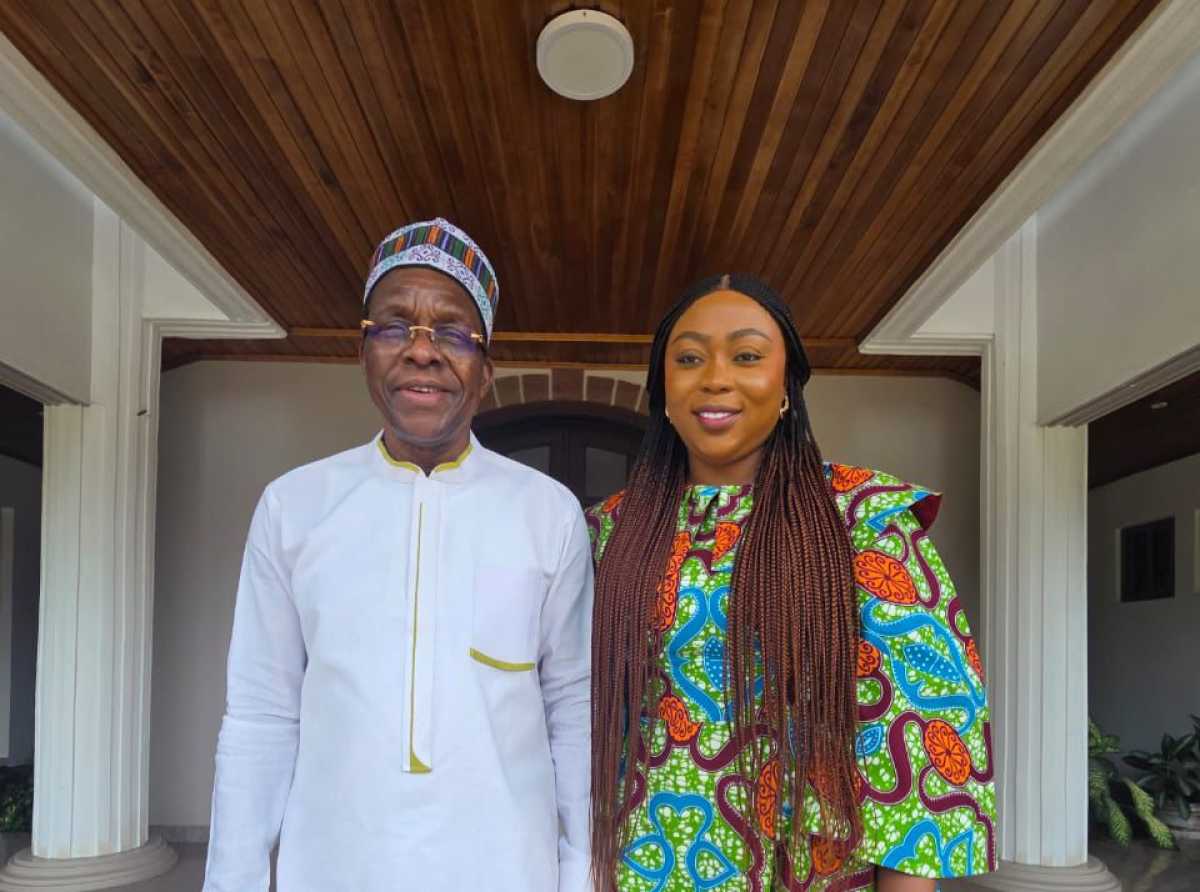
The initiative is being championed by Hon. Phillis Naa Koryoo Okunor, Member of Parliament for Awutu Senya East, as part of her commitment to promoting inclusive governance and empowering local communities. In preparation for the event, Hon. Okunor engaged with Speaker of Parliament Alban Sumana Bagbin at his official residence in Accra to seek guidance, insights, and support, ensuring that the forum’s outcomes are impactful and well-aligned with legislative priorities.
Speaking after the engagement, Hon. Okunor emphasized the importance of structured platforms where traditional leaders, policymakers, and other stakeholders can collaborate to shape governance and development. “This forum is designed not just for dialogue, but for establishing a system where traditional leadership and local knowledge can meaningfully inform national legislation and local policy,” she said.
The forum will focus on several key objectives, including:
- Defining and enhancing the role of traditional authorities in governance.
- Aligning community-driven initiatives with parliamentary and national priorities.
- Encouraging partnerships between public institutions and private sector actors.
- Promoting inclusive participation of local residents in decision-making processes.
Hon. Okunor stressed that the initiative aims to ensure that residents of Awutu Senya East have a direct voice in shaping policies and development projects that affect their daily lives. By creating a platform for sustained engagement, the forum seeks to strengthen accountability, transparency, and collaboration across sectors.
The April 11 event is expected to bring together traditional leaders, government officials, civil society representatives, and private sector actors. Organizers hope that the forum will become an annual platform that fosters coordinated development, nurtures community participation, and advances inclusive governance in Kasoa and its surrounding areas.
This maiden edition marks a significant step toward formalizing the relationship between traditional leadership and national policy processes, signaling a new era of collaborative and people-centered development.

Aikines Anyomi

News
Food
Politics
Technology
About Us
Download Our Mobile App

