
Global oil prices expected to fall after Trump announces Iran peace
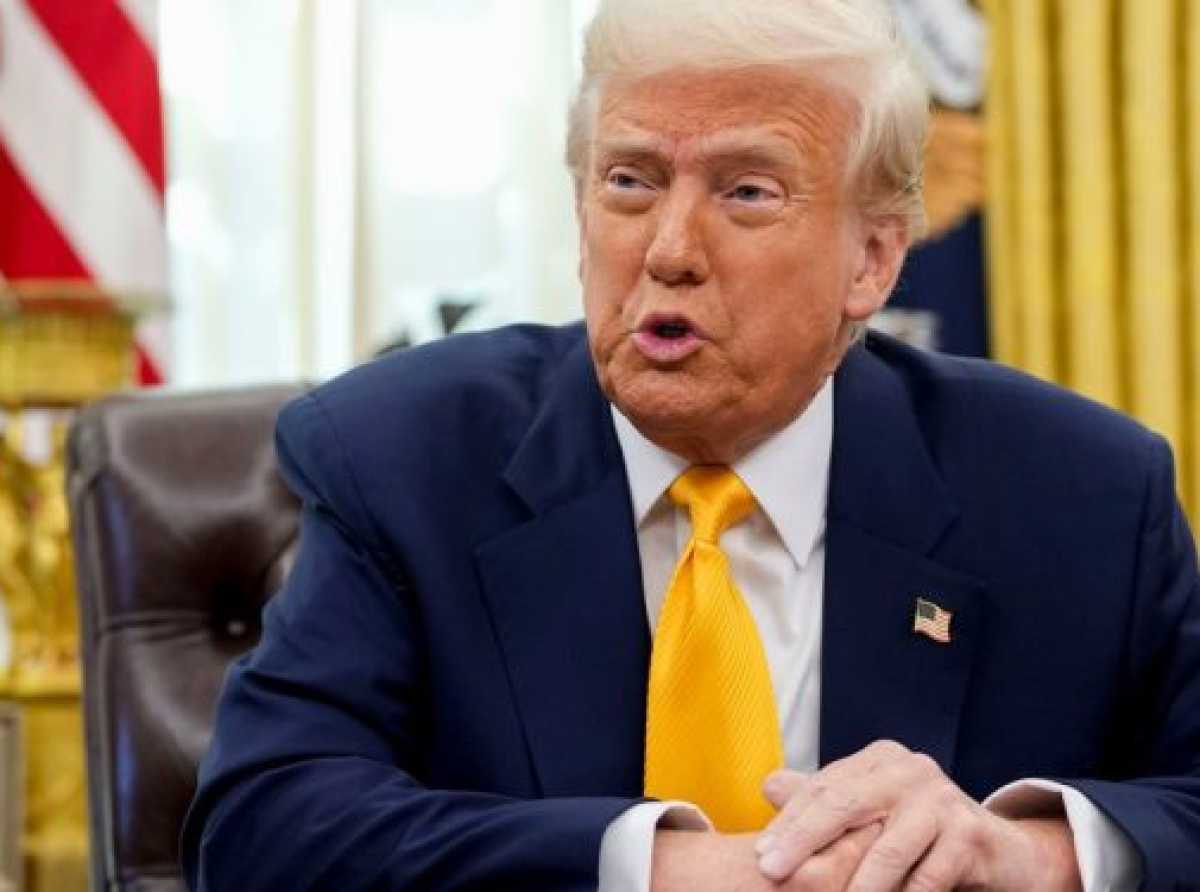
U.S. President Donald Trump has announced that the United States and Iran have reached a landmark peace agreement, a development that has sparked optimism in global markets and triggered a sharp decline in oil prices amid expectations of improved energy supplies.
The announcement, made on June 14, 2026, signals a potential end to months of heightened tensions and military confrontations between Washington and Tehran that had raised concerns about regional stability and global energy security.
In a statement shared on social media, President Trump declared that negotiations between the two countries had been successfully concluded and that a comprehensive agreement had been reached.
“The Deal with the Islamic Republic of Iran is now complete. Congratulations to all!” Trump wrote.
He further announced the immediate reopening of the strategically important Strait of Hormuz and the lifting of the U.S. naval blockade that had been imposed during the conflict.
“I hereby fully authorize the toll-free opening of the Strait of Hormuz, and, simultaneously herewith, authorize the immediate removal of the United States Naval blockade,” the U.S. President stated.
The breakthrough follows months of diplomatic negotiations involving several regional and international mediators seeking to prevent a prolonged conflict in the Middle East.
According to reports, Pakistani Prime Minister Shehbaz Sharif confirmed that both sides had agreed to permanently halt military operations and move toward a lasting peace arrangement.
The agreement is expected to be formally signed in Switzerland on June 19, 2026, where representatives of both countries are anticipated to finalize the terms of the accord.
Diplomatic observers view the development as one of the most significant geopolitical breakthroughs in recent years, with the potential to reshape relations between the United States and Iran and reduce tensions across the Gulf region.
A key component of the agreement is the reopening of the Strait of Hormuz, one of the world's most strategically important maritime corridors.
The narrow waterway connects the Persian Gulf to international waters and serves as a major transit route for global oil and natural gas exports.
A substantial portion of the world's seaborne crude oil passes through the strait daily, making it a critical artery for international energy markets.
In recent months, concerns over disruptions to shipping through the Strait of Hormuz contributed to volatility in oil prices as traders feared potential supply shortages.
With the announcement of the reopening, analysts expect energy exports from the Gulf region to normalize, easing concerns about supply constraints and helping stabilize global markets.
The immediate market reaction to the peace announcement was a sharp decline in global oil prices.
Investors responded positively to expectations that the restoration of shipping traffic through the Strait of Hormuz will increase the flow of crude oil and liquefied natural gas to international markets.
Energy analysts say the agreement could significantly reduce geopolitical risk premiums that had been built into oil prices during the conflict.
Lower oil prices could have broader economic implications, including reduced fuel costs, lower transportation expenses, and easing inflationary pressures in both developed and emerging economies.
Financial markets also reacted positively, with investors viewing the agreement as a step toward greater stability in a region that plays a central role in global energy production.
The agreement marks a potentially historic moment in relations between the United States and Iran, which have experienced decades of political tensions, economic sanctions, and periodic military confrontations.
While details of the deal have yet to be fully disclosed, analysts believe the agreement could pave the way for broader discussions on regional security, economic cooperation, and future diplomatic engagement.
International observers are expected to closely monitor the implementation of the agreement and the formal signing ceremony scheduled for Switzerland later this week.
Despite the optimism surrounding the announcement, experts caution that the long-term success of the agreement will depend on effective implementation and continued commitment from both parties.
Questions remain regarding enforcement mechanisms, future security arrangements, and the broader diplomatic framework that will guide relations between Washington and Tehran.
Nevertheless, the announcement has already been welcomed by governments, investors, and energy markets around the world as a significant step toward reducing tensions in the Middle East.
With the formal signing expected on June 19, global attention is now focused on how the agreement will reshape geopolitical dynamics, energy markets, and international diplomacy in the months ahead.

Aikines Anyomi

News
Food
Politics
Technology
About Us
Download Our Mobile App

