
UK Prime Minister Starmer bans under-16s from social media
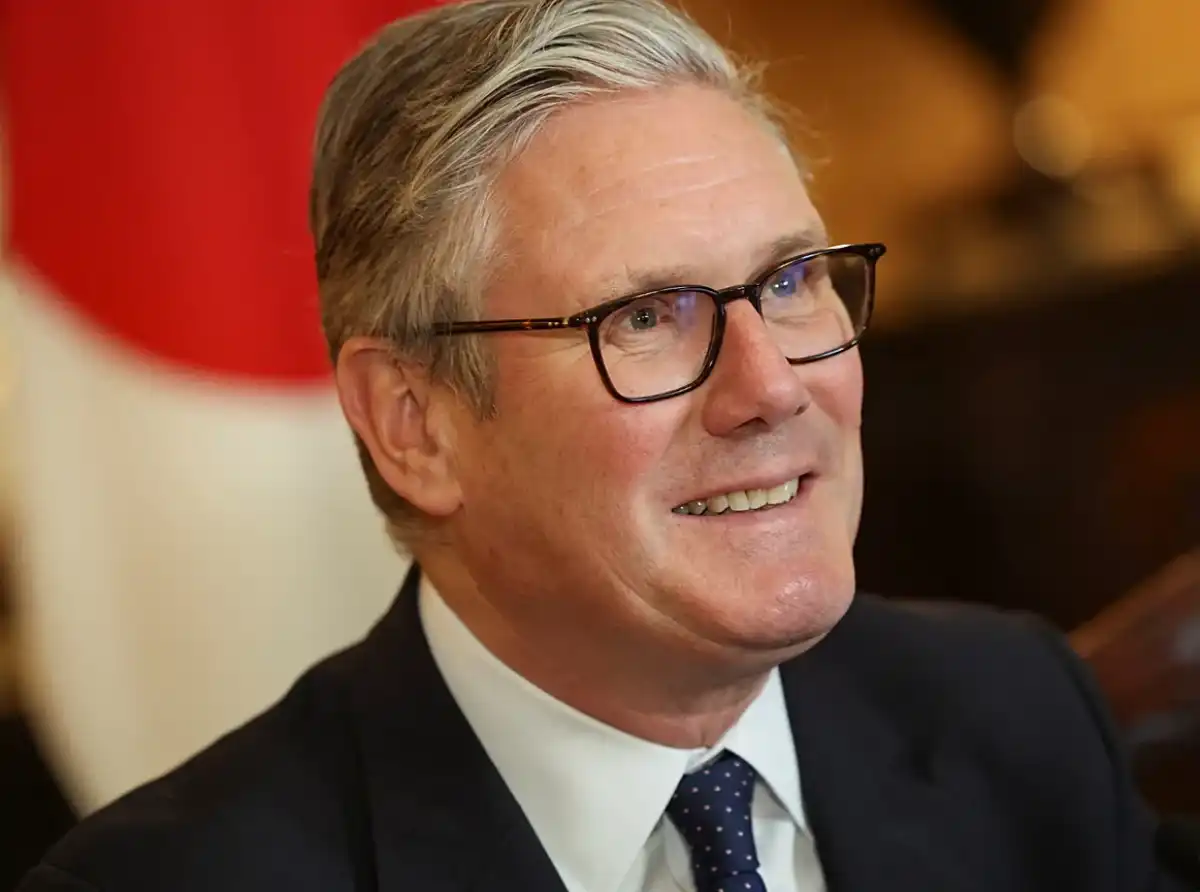
United Kingdom Prime Minister Keir Starmer has announced a sweeping new policy that will prohibit children under the age of 16 from accessing social media platforms, describing the move as a necessary step to protect young people from the harmful effects of online environments.
Speaking at a press conference in Downing Street, Starmer said the decision was not taken lightly but was driven by growing concerns over the impact of social media on children's mental health, wellbeing, education, and overall development.
The announcement marks one of the most significant digital safety interventions proposed by a major Western government and is expected to spark widespread debate among parents, educators, technology companies, and child welfare advocates.
Addressing journalists, Starmer acknowledged that social media has brought benefits to many young people, including opportunities for communication, learning, and self-expression.
However, he argued that the risks posed by social media platforms now outweigh those benefits for children under 16.
“I am not announcing this lightly,” the Prime Minister said.
He noted that while social media has become deeply embedded in modern life, government leaders must make difficult choices when public safety and child welfare are at stake.
“It’s clear to me that a full ban is the right choice,” Starmer stated.
The Prime Minister revealed that his decision was influenced not only by evidence and policy considerations but also by his own experience as a parent.
“All I've ever wanted for my own children, hand on heart, is for them to be happy and for them to be safe. I think that's what any parent wants,” he said.
Starmer questioned whether social media platforms can genuinely provide a safe environment for children, suggesting that the answer has become increasingly clear.
He argued that many digital platforms expose young users to bullying, harassment, harmful content, and unhealthy online interactions.
According to the Prime Minister, social media companies have not done enough to prevent abuse and protect vulnerable users.
“Social media is making children unhappy,” he said.
He further claimed that many online platforms have become tools through which bullying and harassment can spread more easily, potentially contributing to anxiety, depression, and other mental health challenges among young people.
A central argument behind the proposed ban is the concern that social media platforms are deliberately designed to maximize user engagement through addictive features.
Starmer said many platforms use algorithms and design tools that encourage prolonged usage and make it difficult for young users to disconnect.
“It is designed to be addictive,” he said, adding that some features effectively “lock you in for hours.”
The Prime Minister argued that excessive social media use is increasingly replacing activities that are critical to healthy childhood development.
According to him, many children spend less time completing schoolwork, reading books, playing with friends, engaging in outdoor activities, and maintaining healthy sleep schedules because of the amount of time spent online.
Starmer warned that the consequences of excessive social media use extend beyond screen time and entertainment.
He stressed that activities such as reading, social interaction, physical play, and adequate rest play a crucial role in helping children develop into healthy and productive adults.
“Social media stops children from doing their homework, reading, playing with their friends, and going to bed at a decent hour,” he said.
“That may not sound like much, but these are activities that help a child develop into an adult.”
The Prime Minister expressed sympathy for younger generations who have grown up in a digital age dominated by smartphones, social media, and constant online connectivity.
Reflecting on his own childhood, he noted that previous generations did not face the same technological pressures that many families now experience daily.
Starmer acknowledged that parenting in the digital era has become increasingly challenging.
“In this world, with this technology, it is hard as a parent to know what to do,” he said.
He suggested that many parents are likely to support the government's decision because of growing concerns about children's online habits and exposure to harmful content.
“I think most parents will welcome this,” he added.
Child safety campaigners have long called for stronger measures to regulate children's access to social media, arguing that current safeguards have not adequately addressed online risks.
Despite advocating restrictions on social media use by minors, Starmer emphasized that the government remains committed to embracing technology as a driver of innovation and economic growth.
He said the objective is not to reject technology but to ensure that it is used responsibly and in ways that support society.
“The government still believes it must harness the power of technology to build a stronger, fairer Britain,” he stated.
Further details regarding how the proposed ban will be implemented, enforced, and monitored are expected to be announced in the coming weeks.
The policy is likely to face scrutiny from technology companies, civil liberties groups, and policymakers, but supporters argue that it represents a significant step toward protecting children in an increasingly digital world.

Aikines Anyomi

News
Food
Politics
Technology
About Us
Download Our Mobile App

